
Table of Contents
Whether you are a seasoned lifter or stepping into the gym for the first time, one question inevitably arises: what is the best pre workout supplement, and do you really need it to maximize your workout performance? The supplement industry is vast, but understanding the science behind the formulas is the key to unlocking maximum training performance.
In this comprehensive guide, we will break down exactly what makes a high-quality pre workout for gym sessions, explore scientifically proven pre workout benefits, and explain exactly when to take pre workout for maximum efficacy.
Quick Summary
- ✓ Boosts workout energy
- ✓ Improves focus
- ✓ Enhances muscle pump
- ✓ Supports endurance
- ✓ Best taken 20–30 minutes before training
- ✓ Avoid taking within 5 hours of bedtime
What Are Pre-Workout Supplements?
Pre workout formulas are multi-ingredient dietary supplements designed to support energy levels, support exercise performance, and aid mental focus. Rather than relying on a single ingredient, evidence-based pre workouts utilize a synergistic blend of stimulants, amino acids, and nitric oxide precursors.
By delivering targeted nutrients to your bloodstream before physical exertion, these supplements may help combat early onset fatigue, allowing for more sustained training volume. This is closely associated with improvements in long-term strength and muscle hypertrophy when combined with a structured training program.
Top Pre Workout Benefits Explored
The advantages of supplementing before you train extend beyond a simple caffeine effect. When dosed according to clinical literature, the potential benefits are well documented.
1. Acute Energy and Focus
The primary driver behind the immediate effect of a pre-workout is Central Nervous System (CNS) stimulation. High-quality caffeine pre workout ingredients bind to adenosine receptors in the brain, which strongly correlates with increased alertness and a reduction in perceived exertion. This temporary surge of workout energy may prove beneficial for early morning sessions or late-night training blocks.
2. Vasodilation and Blood Flow
A heavily researched benefit is the ability to induce temporary cellular swelling, commonly referred to as a muscle pump. This occurs via vasodilation—the widening of blood vessels. As oxygen-rich blood delivery increases to working muscle tissue, individuals often note improved nutrient delivery and metabolic waste clearance.
3. Delayed Muscular Fatigue
Intense exercise causes the accumulation of hydrogen ions, leading to the burning sensation that ultimately forces muscular failure. Specific pre workout ingredients act as intracellular buffers, neutralizing this acidic environment. Research suggests this buffering capacity may allow for increased repetition volume, directly supporting further muscular adaptation and strength maintenance.
| Ingredient | Primary Benefit | Clinical Dose |
|---|---|---|
| Caffeine | Energy & Focus | 150–300 mg |
| L-Citrulline | Muscle Pump | 3000–6000 mg |
| Beta-Alanine | Endurance | 3200–6400 mg |
| Creatine | Strength & Power | 3–5 g daily |
Who Should Use Pre Workout?
Performance supplements are versatile, but they are particularly beneficial for specific demographics striving for peak physical output. Ideal candidates include:
- Strength athletes aiming to break personal records and maintain intensity.
- Bodybuilders seeking maximum muscle hypertrophy through progressive overload.
- CrossFit athletes requiring sustained endurance across varied modalities.
- Sports performance athletes aiming for acute focus and explosive output.
- Busy professionals training after work who need reliable workout energy.
- Beginners seeking a structured way to maintain training motivation.
Who Should Avoid Pre Workout?
While generally safe for healthy adults, potent ergogenic aids aren't for everyone. The following individuals should exercise caution or avoid stimulant-based performance supplements altogether:
- Individuals under 18 whose nervous systems and caffeine tolerances are still developing.
- Pregnant or breastfeeding women, who should strictly limit or avoid stimulant intake.
- People highly sensitive to caffeine, who may experience jitters, anxiety, or insomnia.
- Individuals with heart conditions, hypertension, or taking prescription medications, unless explicitly advised by a healthcare professional.
Deconstructing Essential Pre Workout Ingredients
The efficacy of a formula relies entirely on its ingredient profile and dosing. Here are the clinically backed components supported by extensive research:
Caffeine
The structural foundation of almost every energy-enhancing supplement. A clinical dose ranges from 150mg to 300mg depending on individual tolerance. Caffeine has been shown to support focus, alertness, and peak power output during resistance training by binding to adenosine receptors and delaying the perception of fatigue.
L-Citrulline
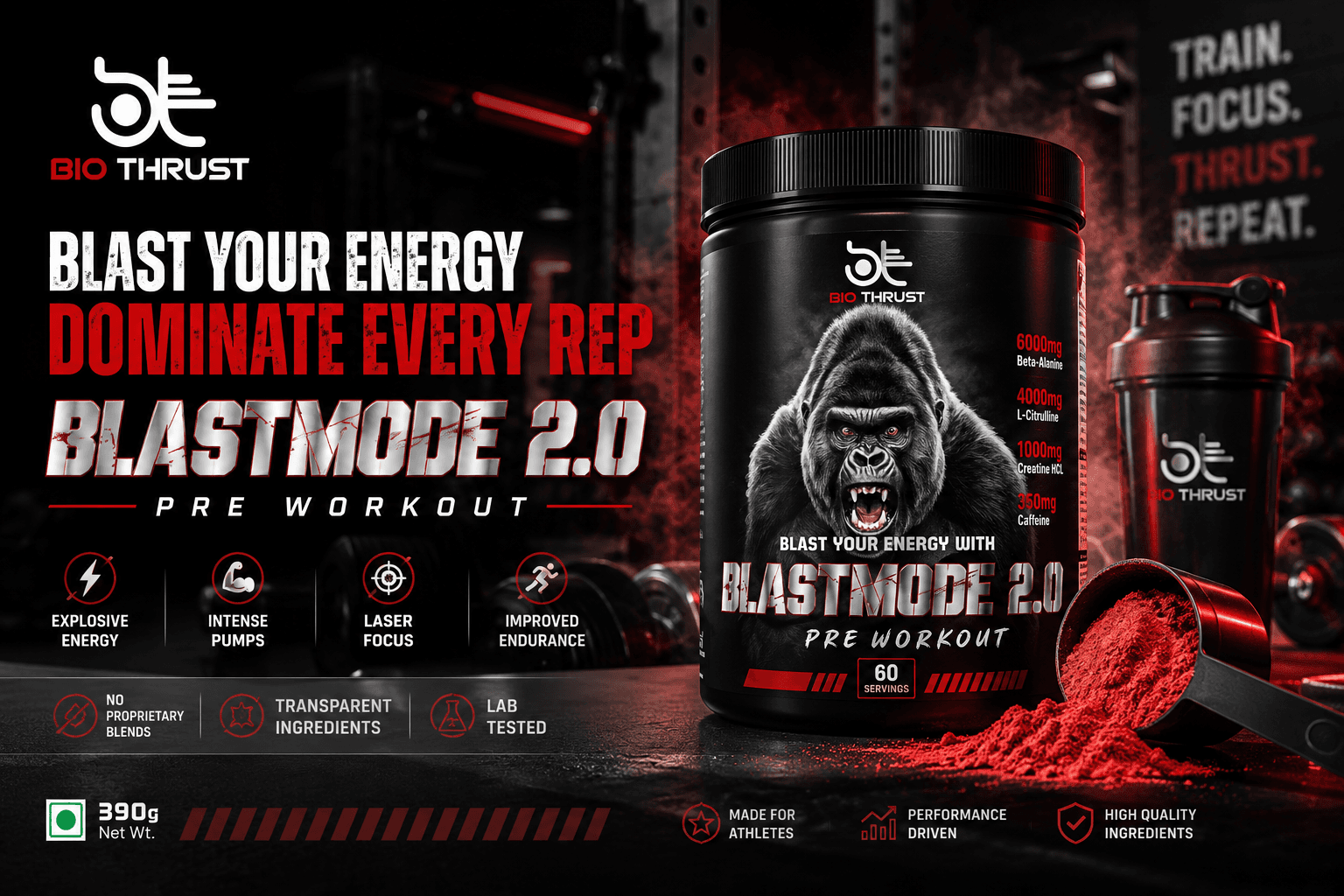
One of the most researched ingredients for supporting nitric oxide production. While older formulas used L-Arginine, the body converts L-Citrulline into Arginine much more efficiently. A dose of 3,000mg to 6,000mg is clinically supported to enhance vasodilation, resulting in a more prominent muscle pump and improved vascular health during exercise.
Beta-Alanine
Often recognized for the harmless tingling sensation known as paresthesia, Beta-Alanine binds with histidine in the body to form carnosine. Elevating intramuscular carnosine levels has been shown to buffer acid buildup during high-intensity intervals. For significant endurance benefits, clinical literature suggests roughly 3,200mg to 6,400mg daily.
Creatine HCl or Monohydrate
Creatine is one of the most well-studied sports supplements available. It accelerates the regeneration of ATP (adenosine triphosphate), the primary energy currency of human cells. Including it in a pre workout for gym sessions ensures your ATP stores are pre-loaded, which strongly supports explosive strength and power output.
When to Take Pre Workout
Timing is everything. Understanding exactly when to take pre workout dictates whether you will peak during your heaviest sets or crash mid-workout. Unlike solid food, which takes hours to digest, liquid supplements enter the bloodstream rapidly. To maximize the energy curve, you need to align your consumption with your specific training schedule.
| Workout Time | Recommended Timing |
|---|---|
| Morning | 20 minutes before. Kickstarts your CNS quickly after waking. |
| Afternoon | 20–30 minutes before. Perfect for bridging the gap between lunch and the gym. |
| Evening | At least 5 hours before bedtime. Crucial to avoid severe sleep disruption. |
Consuming it too early might lead to a premature decline in focus, whereas drinking it while walking into the gym means the active compounds may not reach peak plasma concentration until your session is halfway over.

Common Pre Workout Mistakes
To ensure safety and maximize efficacy, users should avoid these frequent administration errors:
- Taking two scoops on the first use: Always assess tolerance. Start with a half-serving to understand your neurophysiological baseline.
- Mixing with energy drinks: Stacking pre-workout with other heavily caffeinated beverages presents cardiovascular risks.
- Taking it too late at night: Consuming high stimulants in the evening severely impacts sleep architecture and REM cycles.
- Not drinking enough water: Ingredients like Citrulline and Creatine draw fluid into the cells; hydration is mandatory for function and safety.
- Expecting supplements to replace proper nutrition: A powder cannot counteract a severe caloric deficit or poor dietary choices.
- Using pre-workout without adequate sleep: Using stimulants to mask chronic exhaustion places extreme stress on your recovery systems.
Scientific References
Note: The information in this guide is based on current sports nutrition research and recognised scientific position stands.
The dosing protocols outlined in this guide are supported by established clinical research and sports nutrition authorities. For further reading, consult the following primary literature:
- International Society of Sports Nutrition (ISSN) Position Stand: Caffeine and Exercise Performance.
- Kreider RB et al.: ISSN Position Stand: Safety and Efficacy of Creatine Supplementation in Exercise, Sport and Medicine.
- Trexler ET et al.: International Society of Sports Nutrition Position Stand: Beta-Alanine.
- Journal of Strength and Conditioning Research: Efficacy of Beta-Alanine supplementation on exercise capacity.
- European Journal of Applied Physiology: Studies on L-Citrulline Malate supplementation and its impact on vasodilation and muscular fatigue.
Medical Disclaimer
Frequently Asked Questions
Can beginners take pre-workout?
Yes, beginners can take pre-workout formulations, but it is highly recommended to start with a fractional dose (such as half a scoop) to assess tolerance to stimulants like caffeine and ingredients like Beta-Alanine.
How much caffeine is safe before a workout?
Clinical literature generally advises 3–6 mg of caffeine per kilogram of body weight. For most adults, a dosage ranging between 150 mg to 300 mg is considered safe and highly effective for supporting exercise performance.
Can women take pre-workout?
Absolutely. The exact same physiological principles regarding ATP regeneration and nitric oxide production apply to women. Ensure the caffeine dosage matches individual tolerance levels.
Should I eat before taking pre-workout?
Consuming pre-workout on a completely empty stomach accelerates absorption but may cause mild gastrointestinal distress in sensitive individuals. Having a small, carbohydrate-rich snack 1 to 2 hours prior is a common and effective strategy.
Can I use pre-workout every day?
While it can be used regularly, continuous daily consumption may lead to caffeine habituation, requiring larger doses for the same acute effect. Cycling off periodically or reserving it for your most intensive training sessions is often advised.
Conclusion: The Educational Foundation of Performance
Performance aids play a measurable role in athletic development, but they represent only a fraction of the total equation. True long-term success is built upon a firm foundation: structured progressive overload, consistency over months and years, meticulous hydration, and sufficient daily protein intake. Most importantly, prioritizing recovery and optimizing sleep architecture will yield far greater dividends than any singular ingredient.
A heavily researched formulation becomes a valuable addition to a structured training and nutrition programme, bridging the gap when environmental factors or fatigue challenge your performance threshold.
At Bio Thrust, we are committed to absolute formulation transparency, replacing speculative compounds with clinical reality. We engineered Blastmode specifically for athletes who refuse to compromise—delivering verified dosages of Beta-Alanine, L-Citrulline, and precision caffeine. For more experienced users seeking a scalable intensity threshold, Blastmode 2.0 introduces our flexible dual-scoop system.
To dive deeper into our scientific approach, read About our mission, review our comprehensive product FAQ, or reach out to our team via our Contact page for bespoke support.
About the Author
Bio Thrust Editorial Team researches evidence-based sports nutrition, supplementation, strength training, and athletic performance to publish educational content backed by scientific literature.
Ready to Train Harder?
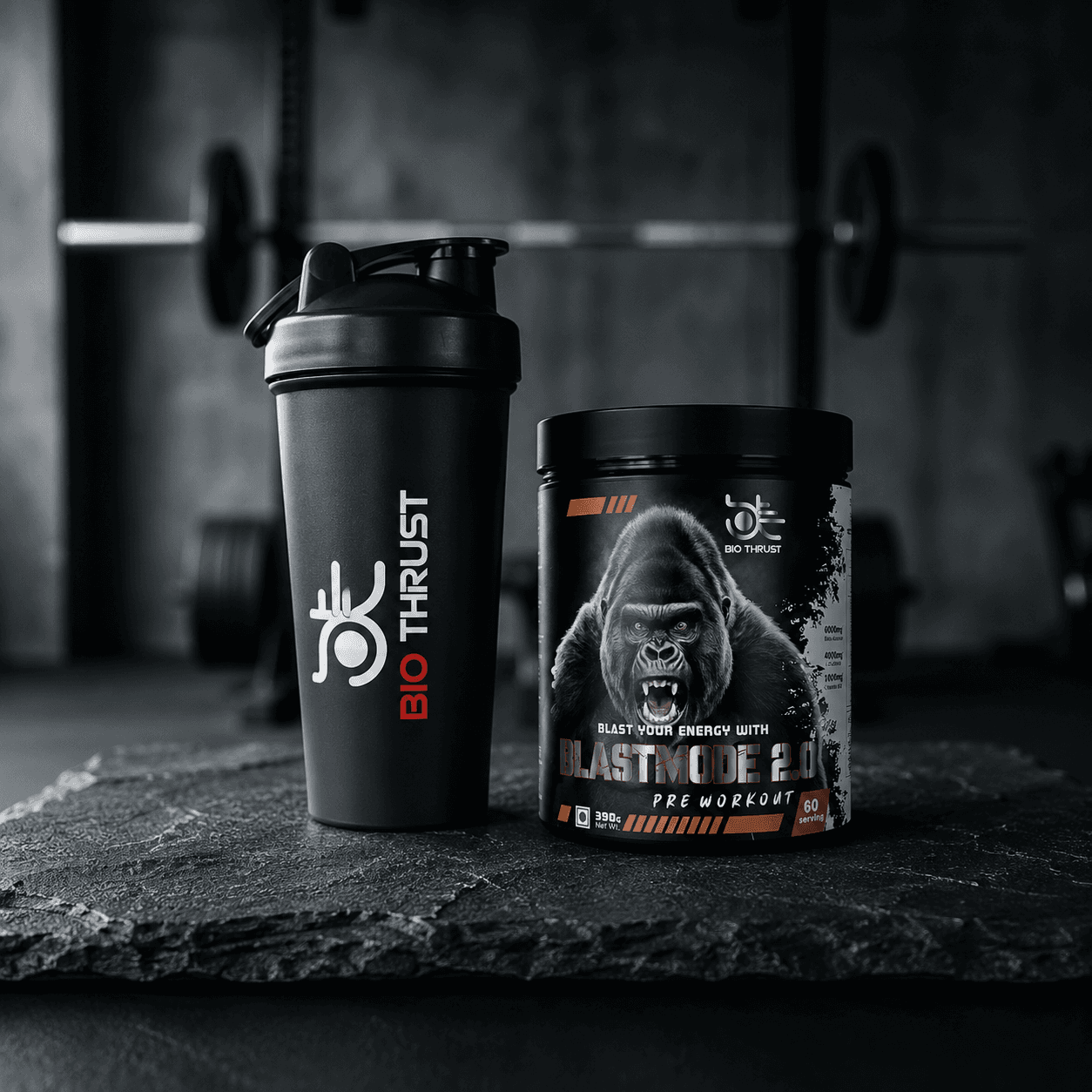
Experience explosive energy, immense muscle pumps, and relentless endurance with Blastmode pre-workout.
Shop BlastmodeReady to transform your workouts?
Join thousands of athletes pushing their limits.
No spam. Unsubscribe anytime.